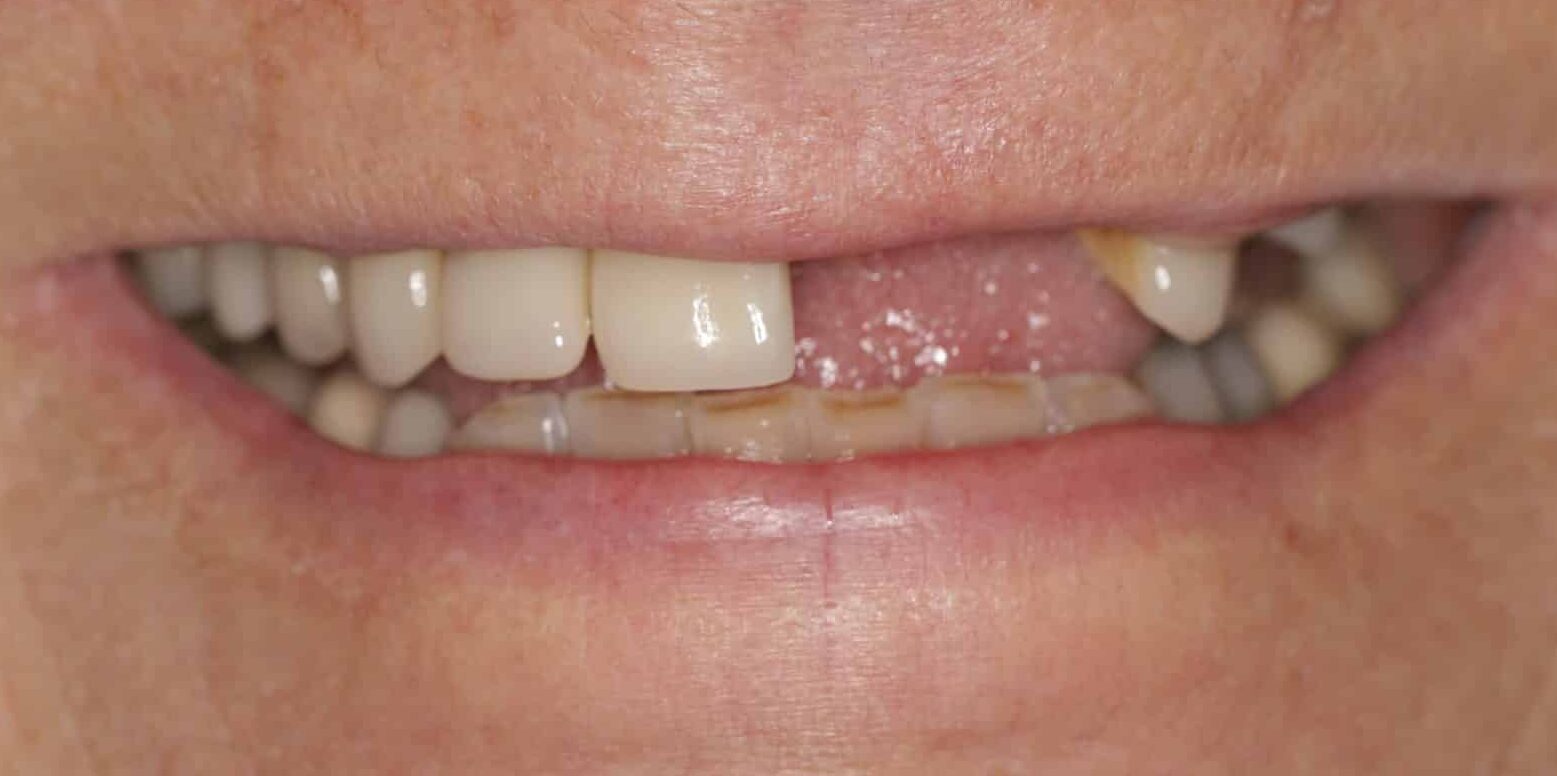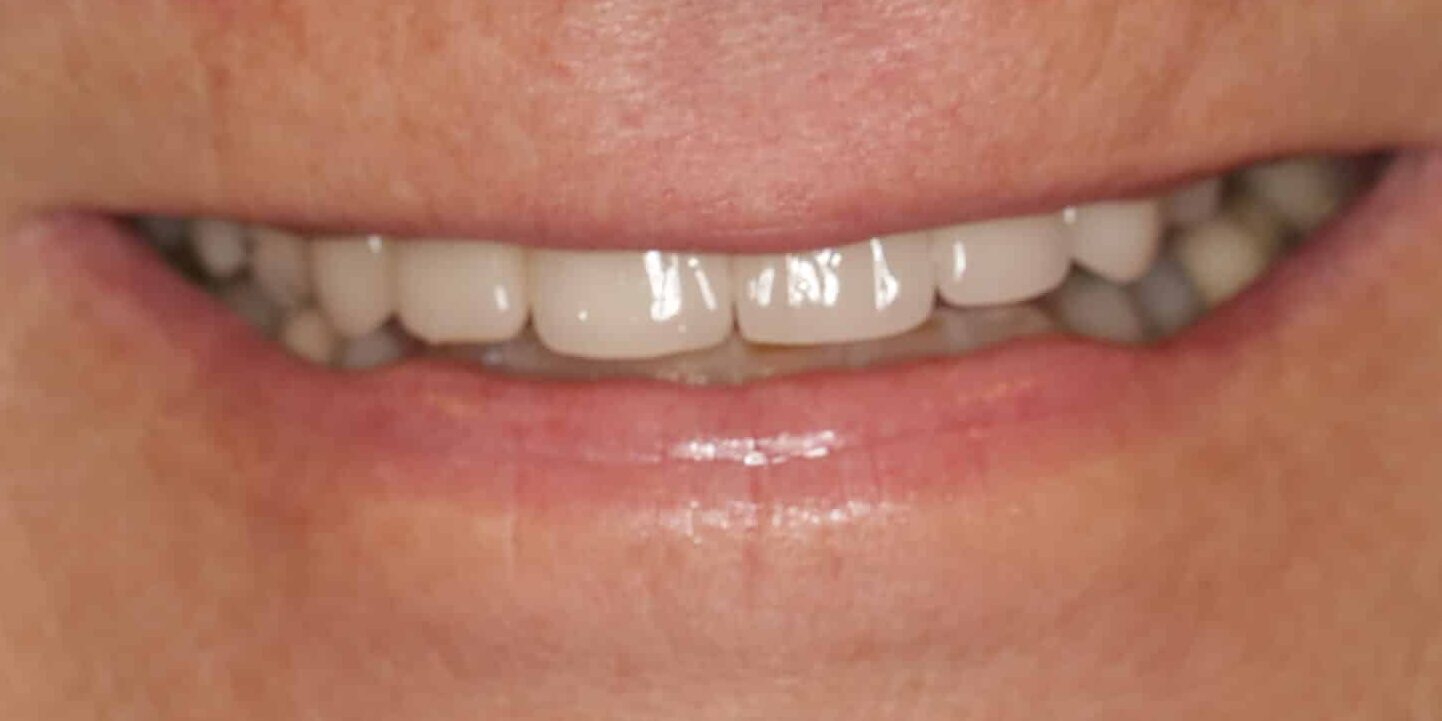
Dental Implants
8 cases
A gap in your smile has a way of making itself known constantly. It changes how you bite into food, how clearly you speak, and how often you find yourself thinking twice before you laugh or smile around other people. For patients with one missing tooth or several, dental implants in Nashville are consistently among the most effective long-term solutions we offer. They restore function without the compromises of bridges or dentures, and the results tend to speak for themselves. At Iroquois Dentistry, we field many questions about how implants work, who qualifies, and what the process entails. Here are honest answers to the questions we hear most often.
What Are Dental Implants and How Do They Work?
Each implant is a small titanium post placed into the jawbone, acting as an artificial root. Over a few months, the post bonds to the surrounding bone, creating a stable foundation for a custom crown. The result is a replacement tooth that looks, feels, and functions like a natural one. No slipping, no clicking, no adjusting your diet around it. You can find a full breakdown of what the procedure involves if you want more details before your first visit.
Who Is a Good Candidate?
Most healthy adults with missing teeth are worth evaluating. Good candidates generally have no active gum disease and enough jawbone to support an implant. If you were told years ago that implants weren’t an option for you, it may be worth revisiting. Dental techniques have changed considerably, and what wasn’t possible before might be now. Dr. K.B. Parkes, Dr. Tyler Smith, Dr. Jody Glover, and Dr. Megan Allred each evaluate candidates individually, factoring in oral health, bone density, and medical history to give you an honest picture of your options.
How Long Do Dental Implants Last?
This is usually the first thing patients want to know, and the answer is encouraging. With proper care, implants can last several decades, and many patients never need to replace them. The titanium post becomes part of the jawbone over time, which gives it long-term stability. The crown at the top may eventually need to be replaced after many years of wear, but the implant itself is designed to be a permanent fixture. Routine brushing, flossing, and regular checkups are all it takes to keep everything functioning well in the long run.
What Does the Procedure Look Like?
The process typically unfolds over several months, which surprises some patients who expect it to move faster. The extended timeline isn’t a drawback, though. It’s what allows the implant to integrate properly with your bone, which is exactly what makes dental implants in Nashville such a durable solution compared to the alternatives. Here’s the general sequence:
- A comprehensive exam, including X-rays, to plan placement precisely
- Implant post placement into the jawbone
- A healing period while the post integrates with the bone
- Placement of the final custom crown
Our restorative dentistry approach means we handle the entire process in-house and explain what’s happening at every stage so you’re never left guessing. The timeline varies by patient, but we walk you through what to expect from the start.
Do Dental Implants Hurt?
Less than most people anticipate. The placement procedure is done under local anesthesia, so you won’t feel pain during the appointment itself. Afterward, most patients describe the recovery as similar to a tooth extraction: some soreness for a few days, manageable with over-the-counter pain relief. Swelling is common in the first day or two and typically resolves on its own. For patients who are particularly anxious about dental procedures, we also offer sedation options to make the experience more comfortable from start to finish. Our team provides detailed aftercare instructions and is easy to reach if anything comes up during recovery.
How Do Implants Compare to Other Options?
Bridges and dentures have their place, but they come with trade-offs that implants avoid. Bridges require grinding down adjacent healthy teeth to anchor the restoration. Dentures can shift, require adhesives, and need to be removed for cleaning. Implants, by contrast, are self-supporting and don’t affect the teeth around them. They also help preserve jawbone, which naturally deteriorates when a tooth root is no longer present. For patients who are looking for a solution that holds up over time without ongoing adjustments, implants are usually the stronger choice.
What If I Have More Questions Before Committing?
That’s exactly what a consultation is for. There’s no pressure to decide anything on the spot. Bring your questions, your concerns, and any dental records you have. We’ll assess your situation, explain what’s realistic, and give you enough information to make a decision that actually makes sense for you. If you don’t have prior X-rays or records, we’ll handle everything here.
How Do I Get the Process Started?
Getting started is straightforward:
- Book an appointment online at your convenience.
- Schedule a consultation to talk through your specific situation.
- Find our office if you’re planning your first visit.
Still Have Questions? We Have Answers.
Dental implants are a significant decision, and it makes sense to want clarity before moving forward. Our team at Iroquois Dentistry is straightforward with patients: we’ll tell you if you’re a good candidate, what the process will look like for your specific case, and what to realistically expect at each stage. No vague answers, no pressure. If you’re ready to get a clear picture of your options, book a consultation and come in for a conversation.
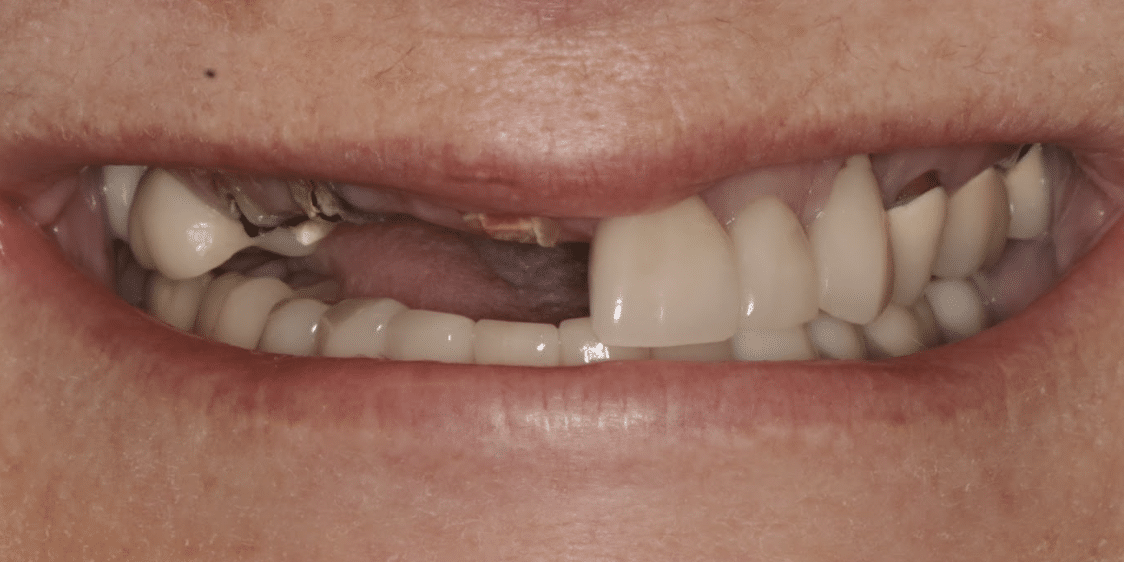
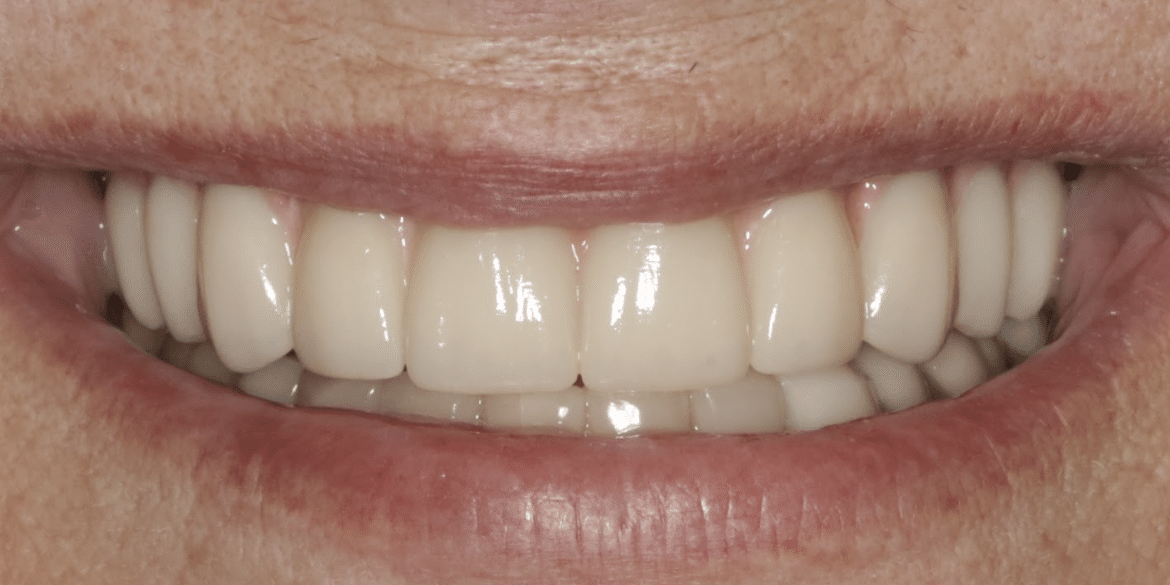
Case 1
Case 2
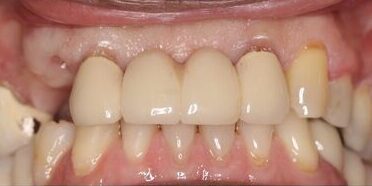
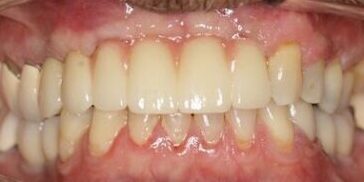
Case 3
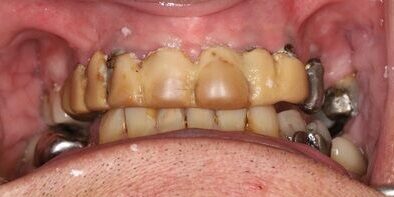
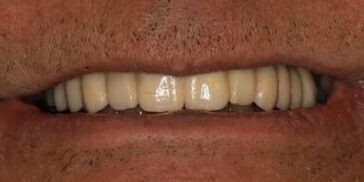
Case 4
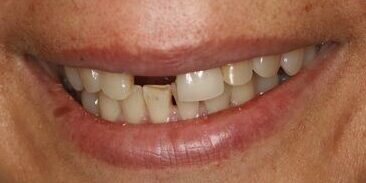
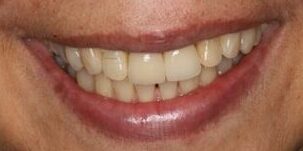
Case 5
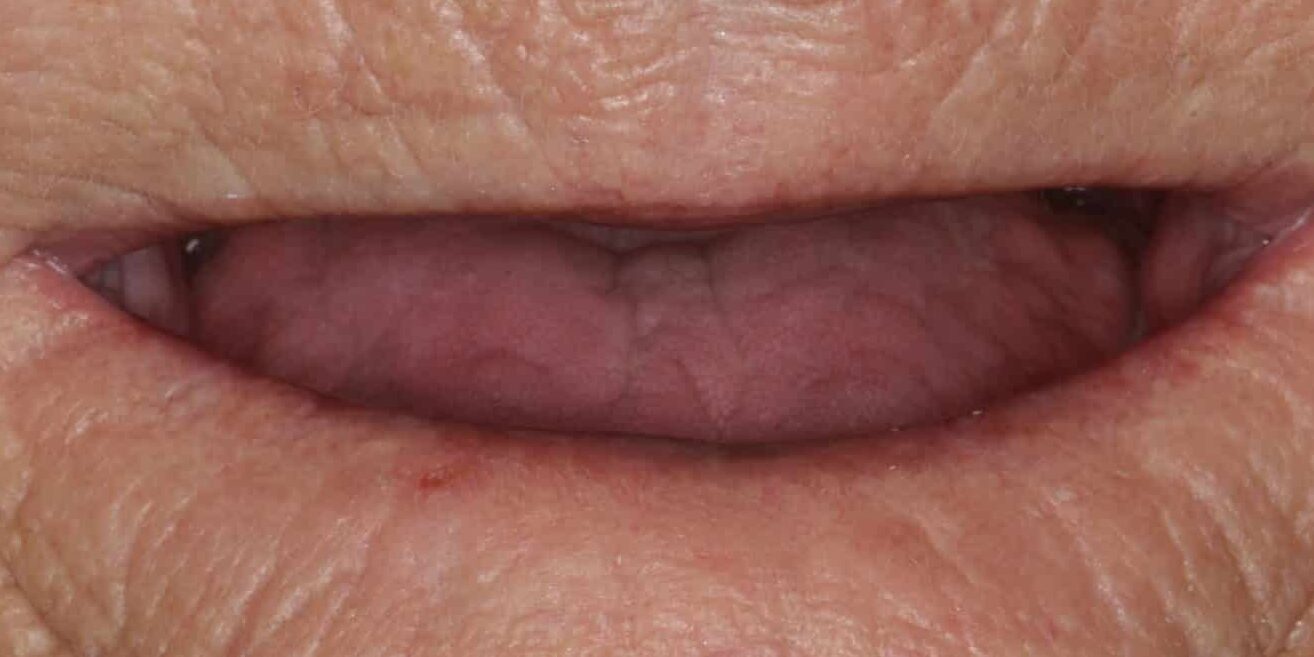
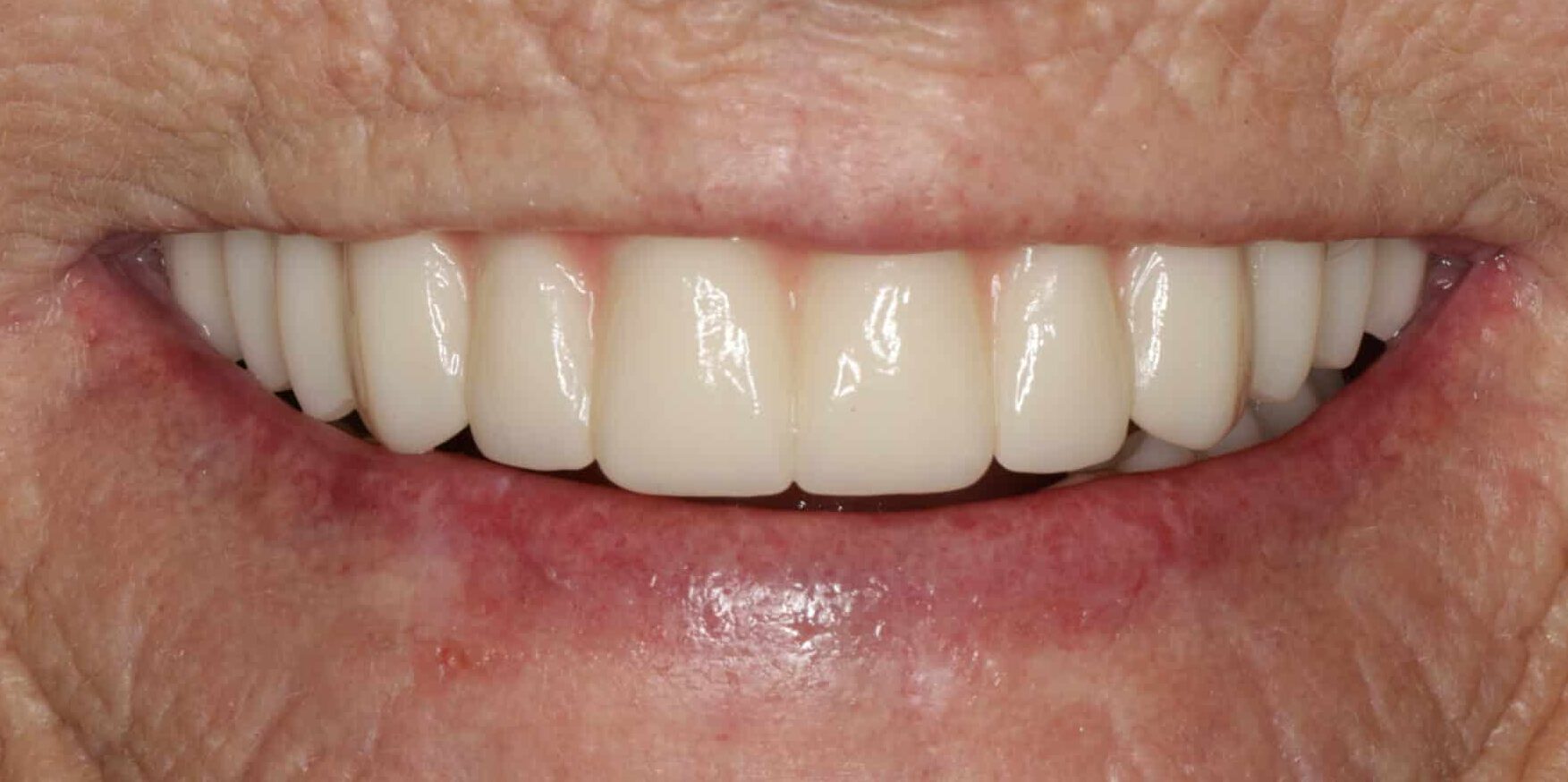
Case 6
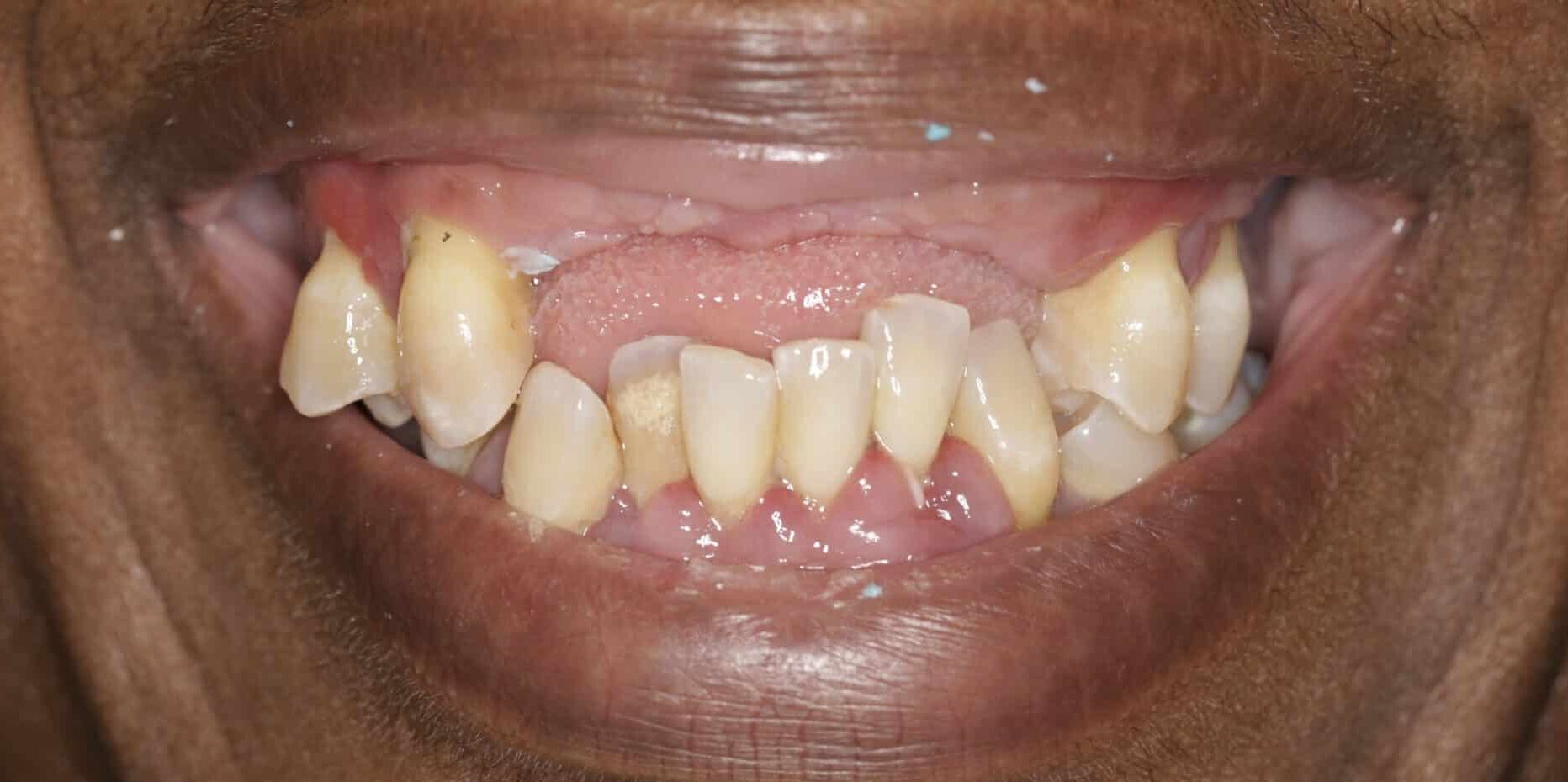
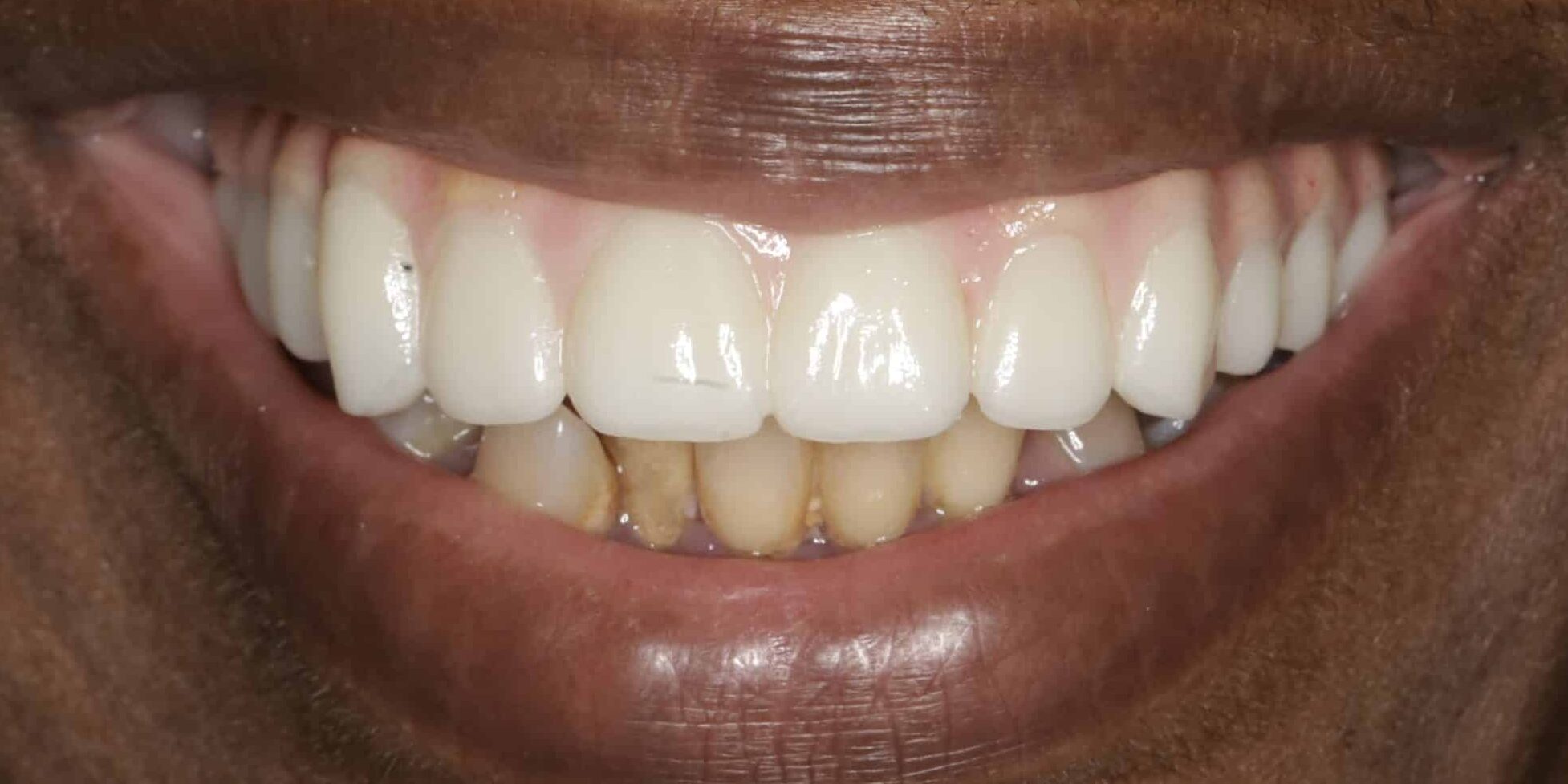
Case 7
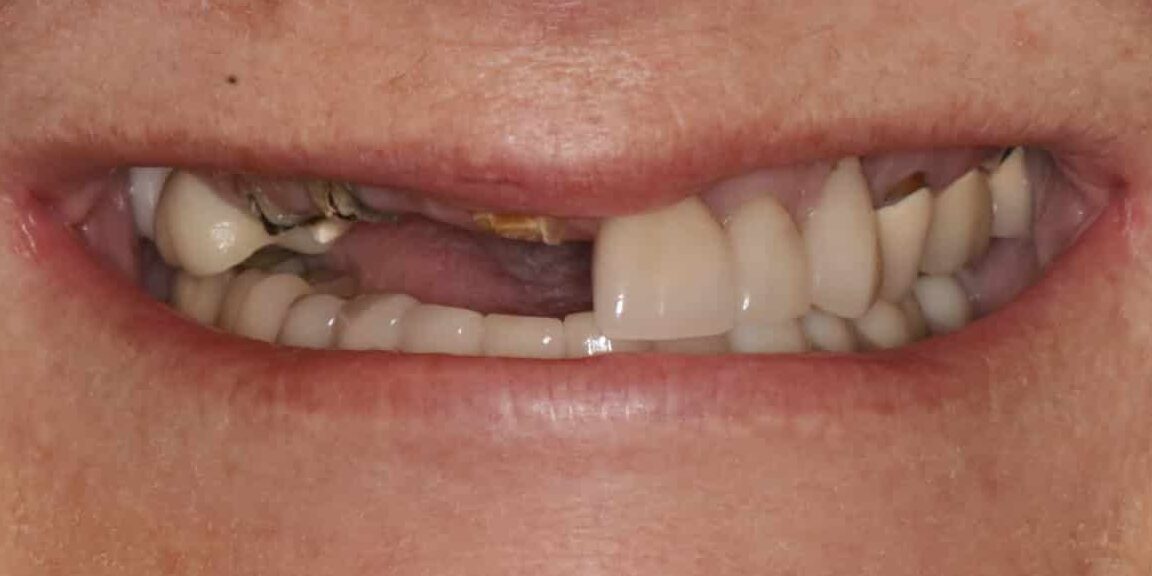
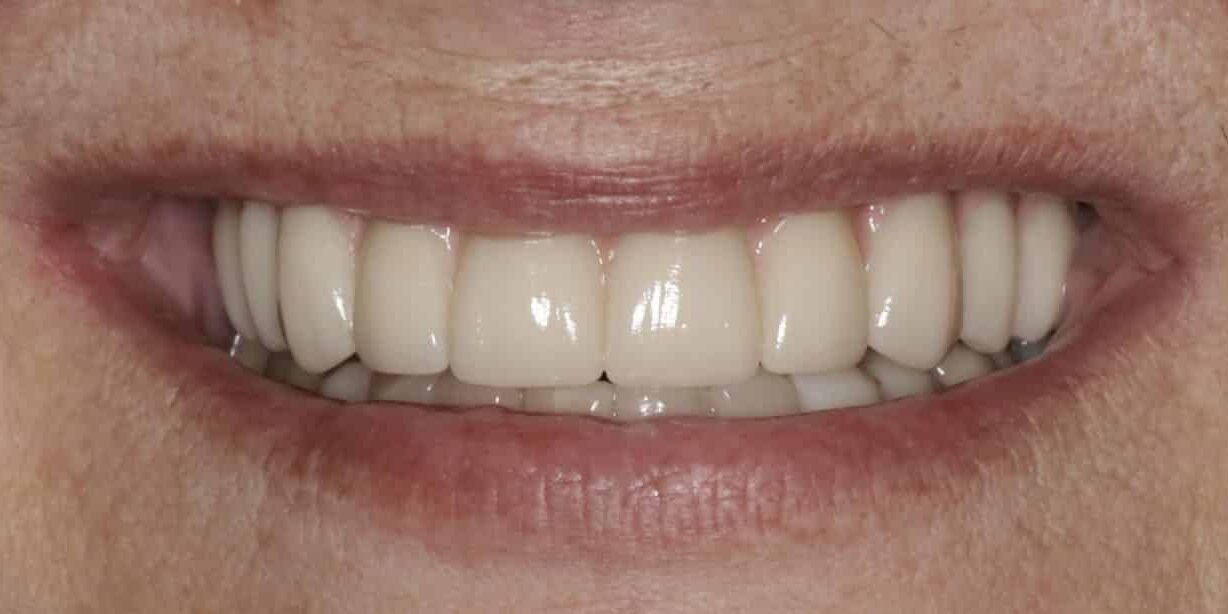
Case 8